

Chronic and Non-Healing Wound Care in San Antonio, TX
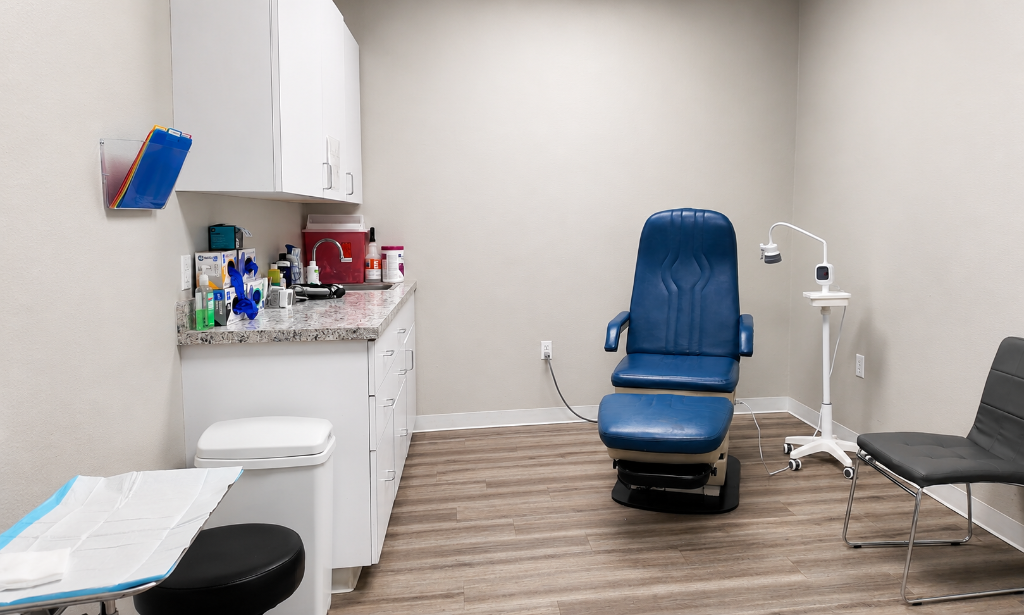
Hill Country Wound Care is a specialized medical practice in San Antonio focused on the diagnosis and treatment of chronic, non-healing wounds. Our board-certified physicians treat all types of wounds that have failed to heal within the expected timeframe (typically 4 weeks), including diabetic foot ulcers, venous leg ulcers, pressure ulcers, arterial ulcers, and post-surgical wounds. We utilize a comprehensive approach to identify and address the underlying barriers to healing.
What Defines a Chronic Wound?
A wound becomes chronic when it gets stalled in one of the phases of healing and fails to progress. This is almost always due to an underlying medical condition that disrupts the healing process. Common factors include poor circulation (venous insufficiency or peripheral arterial disease), uncontrolled diabetes, persistent pressure, or chronic inflammation and infection. Our primary goal is to perform a thorough diagnostic workup to uncover this root cause.
Our Advanced Wound Care Services
We provide a full spectrum of advanced wound care modalities in an outpatient setting. This includes: Advanced Wound Debridement (surgical, sharp, enzymatic) to remove non-viable tissue; Negative Pressure Wound Therapy (NPWT or Wound VAC) to manage drainage and promote tissue growth; Cellular and/or Tissue-Based Products (biologic skin grafts) to stimulate healing; and Hyperbaric Oxygen Therapy (HBOT) for eligible non-healing wounds. This is combined with advanced moisture-balanced and antimicrobial dressings to create the optimal environment for healing.
Why See a Wound Care Specialist?
Specialist care is crucial for chronic wounds because standard dressings and antibiotics alone are often insufficient. Our physicians have the expertise to diagnose the underlying etiology, perform advanced procedures, and coordinate care with other specialists like vascular surgeons or infectious disease doctors. This integrated, physician-led approach dramatically improves healing rates and reduces the risk of complications like amputation.