

Arterial Ulcer (Ischemic Wound) Treatment in San Antonio, TX
Hill Country Wound Care specializes in the management of arterial ulcers (also known as ischemic ulcers or PAD wounds) in San Antonio, TX. Our board-certified physicians focus on a limb-saving approach through coordinated vascular care, advanced wound management, and adjunctive therapies like Hyperbaric Oxygen Therapy (HBOT). We work closely with vascular surgeons to ensure patients receive timely revascularization, which is critical for healing. Our three clinics in the San Antonio area provide accessible, outpatient care for patients with non-healing wounds due to Peripheral Arterial Disease (PAD).
Understanding Arterial Ulcers and PAD
Arterial ulcers are a direct result of inadequate blood flow to the lower extremities, caused by atherosclerosis (plaque buildup) in the arteries, a condition known as Peripheral Arterial Disease (PAD). These wounds are typically painful, located on the toes, feet, or ankles, and often have a dry, "punched-out" appearance. Unlike venous ulcers, which are caused by blood pooling, arterial ulcers are caused by a lack of oxygenated blood reaching the tissue. Without restoration of blood flow, these wounds cannot heal and are at high risk for infection, gangrene, and amputation.
Our Limb-Saving Treatment Protocol
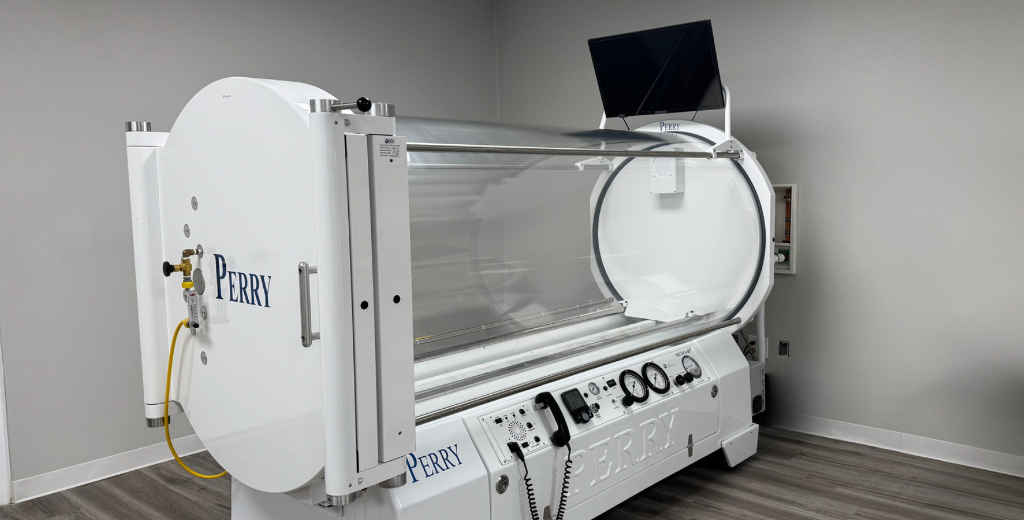
The cornerstone of treating arterial ulcers is a dual approach: revascularization and advanced wound care. Our protocol includes: 1) Immediate Vascular Assessment through non-invasive tests like Ankle-Brachial Index (ABI) and Doppler studies. 2) Coordinated Care with top vascular surgeons in San Antonio to facilitate timely revascularization procedures (angioplasty, stenting, or bypass). 3) Ischemia-Safe Wound Debridement to carefully remove non-viable tissue without harming the already compromised wound bed. 4) Advanced Dressings to protect the wound and manage moisture. 5) Adjunctive Hyperbaric Oxygen Therapy (HBOT) for select cases to improve oxygenation in ischemic tissue post-revascularization and support healing.
The Critical Role of Revascularization
No amount of advanced wound dressing can heal an arterial ulcer if there is insufficient blood flow. Our primary goal is to identify patients with PAD and facilitate rapid referral to a vascular specialist. We believe in a collaborative, team-based approach where our wound care expertise complements the surgeon's revascularization efforts, leading to higher rates of limb salvage and improved patient outcomes.