Diabetic Wound Care: CEO Joe DiRenzo on KENS 5 Great Day SA
During Diabetes Awareness Month, Hill Country Wound Care & Hyperbarics CEO Joe DiRenzo joined KENS 5’s Great Day SA to talk about diabetic wounds in San Antonio: why diabetes makes healing so difficult, the warning signs patients and families should watch for, and what specialized, physician-led outpatient wound care can do.
Chief Executive Officer | Hill Country Wound Care & Hyperbarics
Aired on KENS 5 · Great Day SA during Diabetes Awareness Month
About the Interview
During Diabetes Awareness Month, Hill Country Wound Care & Hyperbarics CEO Joe DiRenzo joined KENS 5’s Great Day SA for a brief segment on diabetic wounds. The interview opens on the scale of the problem in San Antonio. Joe describes diabetic wounds and diabetic amputations as a crisis locally, citing about 1,500 diabetic-related amputations a year and describing the region as one of the leading areas in the country for them.
He explains next why diabetes makes a wound so much harder to heal, walking through three problems in plain terms: nerve damage in the foot that can let a wound go unnoticed, damage to blood vessels that reduces circulation and limits the oxygen and nutrients tissue needs to heal, and a weakened ability to fight infection. A small cut, a blister, or a light injury can become a non-healing wound, an open wound can become infected, and an infection can lead to amputation.
The conversation then turns to what patients and families can actually do. Joe points to daily foot checks, noting that a family member may need to help because nerve damage can hide a wound, and to prompt medical attention when a change is found. He then explains access to specialized care: wound care is its own specialty practice, with physicians and providers who dedicate their practice to it and may be certified in it, and specialized care goes well beyond cleaning wounds and changing dressings. It means removing damaged tissue, supporting the growth of new healthy tissue, and, just as importantly, removing the barriers that keep a body from healing, which is why Hill Country works alongside vascular physicians, infectious disease specialists, and podiatry. The segment closes on hyperbaric oxygen therapy and on where care is available.
Key Takeaways
- 01
Joe describes diabetic wounds and diabetic amputations as a crisis in San Antonio, with about 1,500 diabetic-related amputations a year and the region among the leading areas in the country.
- 02
Diabetes makes wounds hard to heal in three ways: nerve damage in the foot, so you may have a wound and not feel it; damaged blood vessels and less circulation, which limits the oxygen and nutrients the body needs to heal; and a weakened ability to fight infection.
- 03
A small cut, a blister, or a light injury can become a non-healing wound, and open wounds can become infected, which can lead to amputation.
- 04
The good news, he says, is that a lot of these amputations are preventable with early intervention and advanced specialty care.
- 05
If you are diabetic, check your feet every day for a wound or any change to the skin, and have a family member check as well, since nerve damage can hide a wound. Get prompt medical attention when you find something.
- 06
Wound care is its own specialty: there are wound care doctors and providers who dedicate their medical practice to it and may be certified in specialized wound care.
- 07
Advanced wound care is more than cleaning wounds and changing dressings. It is advanced therapeutics: removing damaged tissue, growing new healthy tissue, and removing the barriers that keep the body from healing.
- 08
Because blood flow is needed to heal, care is coordinated with vascular physicians, infectious disease, and podiatry, as a comprehensive approach of medical expertise, advanced treatments, and early intervention.
- 09
He describes hyperbaric oxygen therapy as one of the most advanced therapeutics for the highest-risk wounds: 100% oxygen, five times what we breathe, at higher pressure, delivering about 15 to 20 times the oxygen to the cells that need repair from inside the body.
- 10
Hill Country has several locations throughout the city, and patients can call or visit the website.
Full Interview Transcript
The full aired interview, transcribed. Speakers are the Great Day SA host and Joe DiRenzo.
Host: We are at the start of Diabetes Awareness Month. If you have been concerned about your limbs or your diabetes worsening, this specialty care facility has some help for you. I’m so happy to welcome CEO of Hill Country Wound Care and Hyperbarics, Joe DiRenzo. Thank you for being with us, Joe.
Joe DiRenzo: Thanks for having me.
Host: This is a very relevant topic for our community. Diabetes is quite prevalent, and November is Diabetes Awareness Month. We’re hearing that San Antonio obviously has this problem with diabetes-related amputations as well, and wounds, and you’re very passionate about making sure these people are taken care of. How bad is it, and how is it related to diabetes?
Joe DiRenzo: Yeah, diabetic amputations and diabetic wounds are a crisis in San Antonio. Annually, we have about 1,500 diabetic-related amputations. One of the leading areas, regions in the country.
Host: That is a lot.
Joe DiRenzo: It’s a lot. Diabetes makes it very hard for wounds to heal. You have nerve damage in the foot that can cause that, so you might have a wound and not feel it. It damages blood vessels, so less circulation, and it limits the oxygen and nutrients your body needs to heal. And it can weaken your body’s ability to fight infections, right? So it might start with a small cut or a blister or a light injury, turns into a non-healing wound, and open wounds become infected, and infections may lead to amputations.
Host: We don’t want that, and it sounds very painful. What are some warning signs that people with diabetes should look for, and how can specialized wound care help prevent those amputations?
Joe DiRenzo: The good news is a lot of these amputations are preventable with early intervention and advanced specialty care. So if you’re diabetic, check your feet every day. Look for a wound, look for any change to your skin. And remember, because it might cause nerve damage, you might not feel a wound, so check or have a family member check every day, and get prompt medical attention. And for advanced wound care, when wounds aren’t healing, one of the things a lot of people don’t realize is there are wound care doctors, there are wound care medical providers. That’s all they do. They dedicate their medical practice to wound care. They might even be certified in specialized wound care. This is more than cleaning wounds and changing dressings. It’s advanced therapeutics. It’s removing damaged tissue. It’s different ways to grow new healthy tissue. And just as importantly as the wound care itself, it’s removing the barriers that make your body not heal. We talked about damaged blood vessels, right? So we need blood flow to heal wounds. So we partner with amazing vascular physicians in the region, or infectious disease, or podiatry. So it’s a comprehensive approach of medical expertise, advanced treatments, and early interventions that can prevent these.
Host: That is a great thing, very smart for you to think of how you can help these people, this population. My dad included, thankfully. I have not seen any wounds on his feet, but this is very common and we should talk about it. What are you guys able to do? What is hyperbaric treatment?
Joe DiRenzo: So hyperbaric oxygen therapy is one of the most advanced therapeutics for some of the highest-risk amputations, wounds that are very high risk. The way I explain it to my friends and family is, we learned as kids we need oxygen for ourselves to live and for ourselves to repair. But we breathe air and it’s only 20% oxygen. So medical-grade hyperbaric oxygen therapy that we provide is 100% oxygen, so five times what we breathe, and it’s at a higher pressure. And the combination of the pure oxygen and the higher pressure delivers about 15 to 20 times the oxygen to the cells that need repair from inside your body. So it’s a very cool technology that we’re proud to offer in the community.
Host: Perfect. If people want to check that out, I know you have a few locations throughout the city, and they can give you guys a call or visit your website, right?
Joe DiRenzo: Absolutely.
Host: Okay. Well, thank you so much, Joe, for being with us today. This is hopefully going to help out a lot of people in our audience.
Joe DiRenzo: Thank you.
Learn More About Diabetic Wound Care
Diabetic Wounds
Hill Country's clinical overview of diabetic wounds, including how our physicians evaluate a diabetic foot ulcer, circulation, infection and pressure, and our approach to limb preservation.
Diabetic Foot Ulcer Treatment in San Antonio: A Complete Guide
A deeper written guide to diabetic foot ulcer symptoms, evaluation, treatment options and advanced therapies for patients across Greater San Antonio.
Preventing Diabetic Foot Ulcers: Foot Care & Offloading Tips
Practical guidance on the daily foot checks Joe describes, pressure areas, footwear, offloading and recognizing early changes.
The Role of Hyperbaric Oxygen Therapy (HBOT) in Diabetic Wound Care
How increased oxygen supports healing in high-risk diabetic wounds, and when physicians may consider HBOT as part of a treatment plan.
What Are Diabetic Foot Ulcers? Dr. Cascio Explains
Dr. Cascio's physician-education video on what diabetic foot ulcers are, why neuropathy, pressure and circulation matter, and why evaluation matters.
Early Signs of a Diabetic Foot Ulcer
Dr. Cascio walks through the warning signs that can appear before an obvious wound, and which changes deserve prompt evaluation.
About Joe DiRenzo
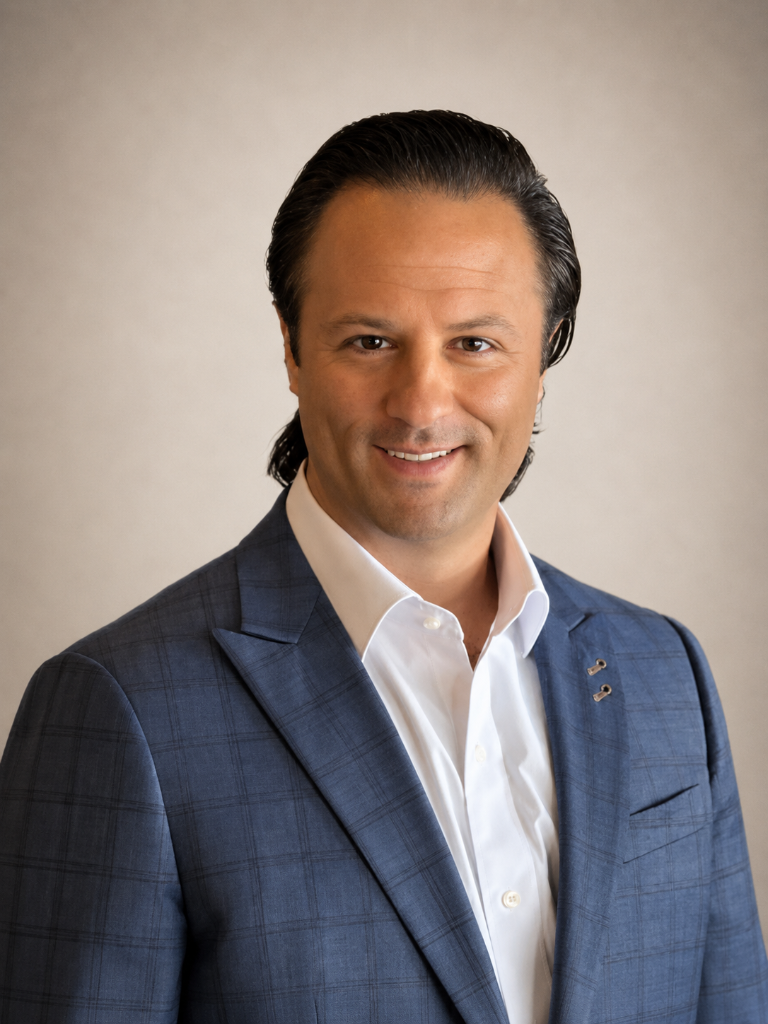
Joe DiRenzo
Chief Executive Officer | Hill Country Wound Care & Hyperbarics
Joe DiRenzo is the Chief Executive Officer of Hill Country Wound Care & Hyperbarics. He leads the organization’s work to bring advanced, lower-cost outpatient wound care and hyperbaric medicine closer to the communities where patients live, with clinics in Bulverde, Live Oak, and Southwest San Antonio.
Before joining Hill Country, he served as President and Chief Operating Officer of the largest privately owned wound care and hyperbaric network in Texas, and held executive finance and operations roles at UPMC, Phoenix Rehabilitation and Health Services, and HearingLife.
Concerned About a Diabetic Wound?
If you have diabetes and a wound, blister, or skin change that is not healing, a wound care evaluation can help identify the factors affecting healing and determine an appropriate treatment plan. Hill Country Wound Care & Hyperbarics provides physician-led outpatient wound care in Bulverde, Live Oak, and Southwest San Antonio. Medicare and most major insurance plans are accepted.